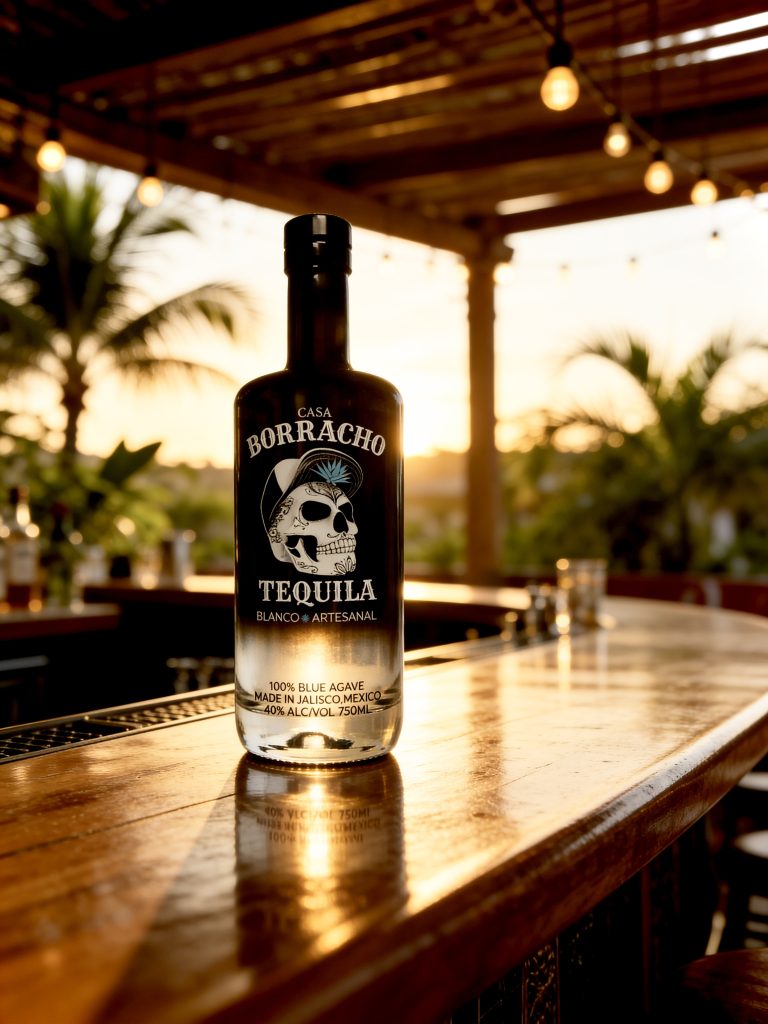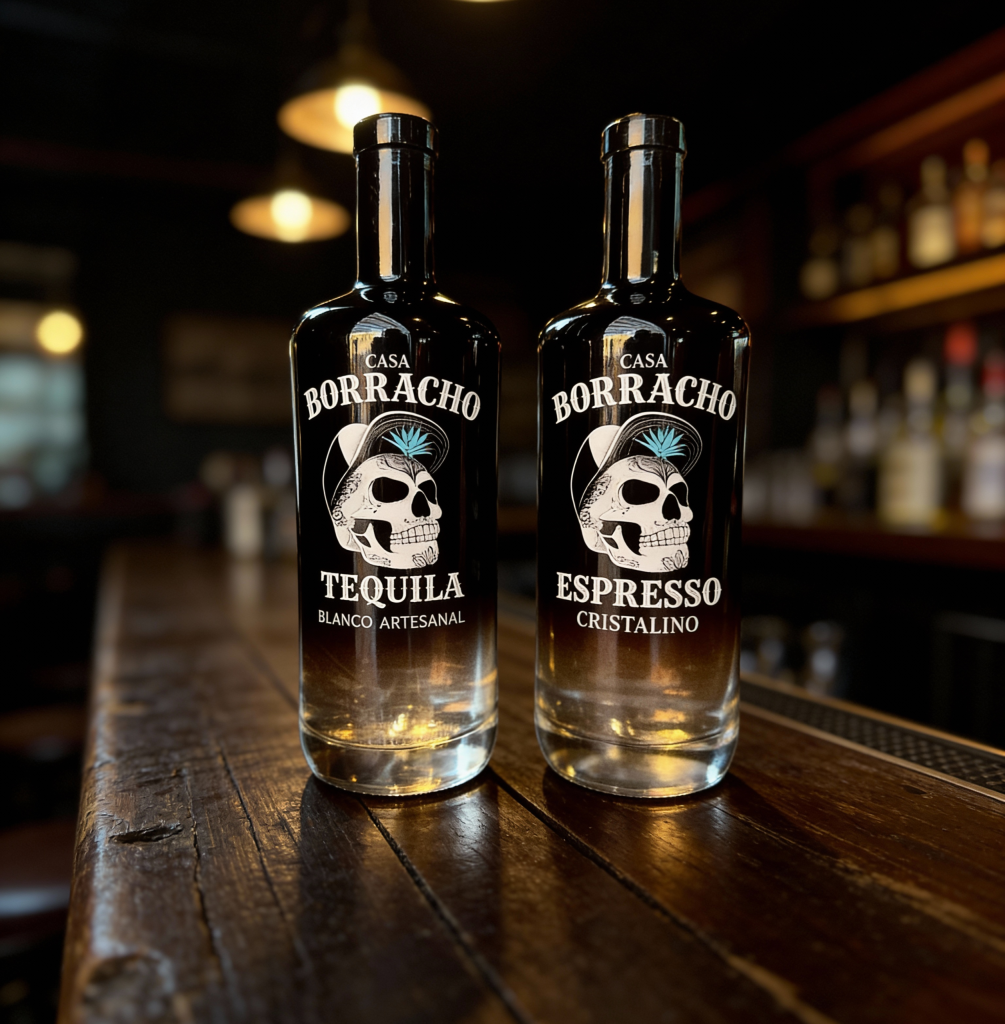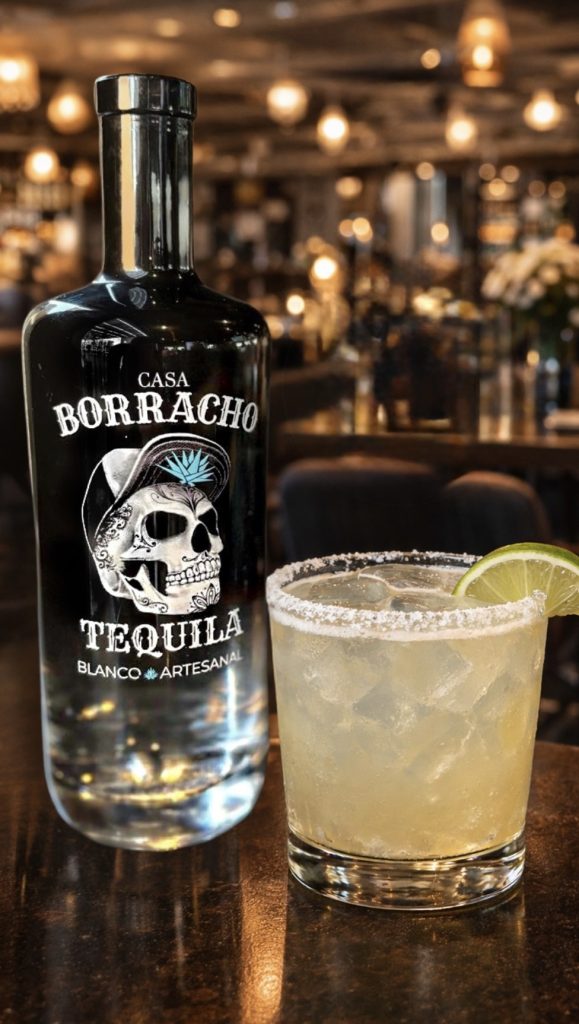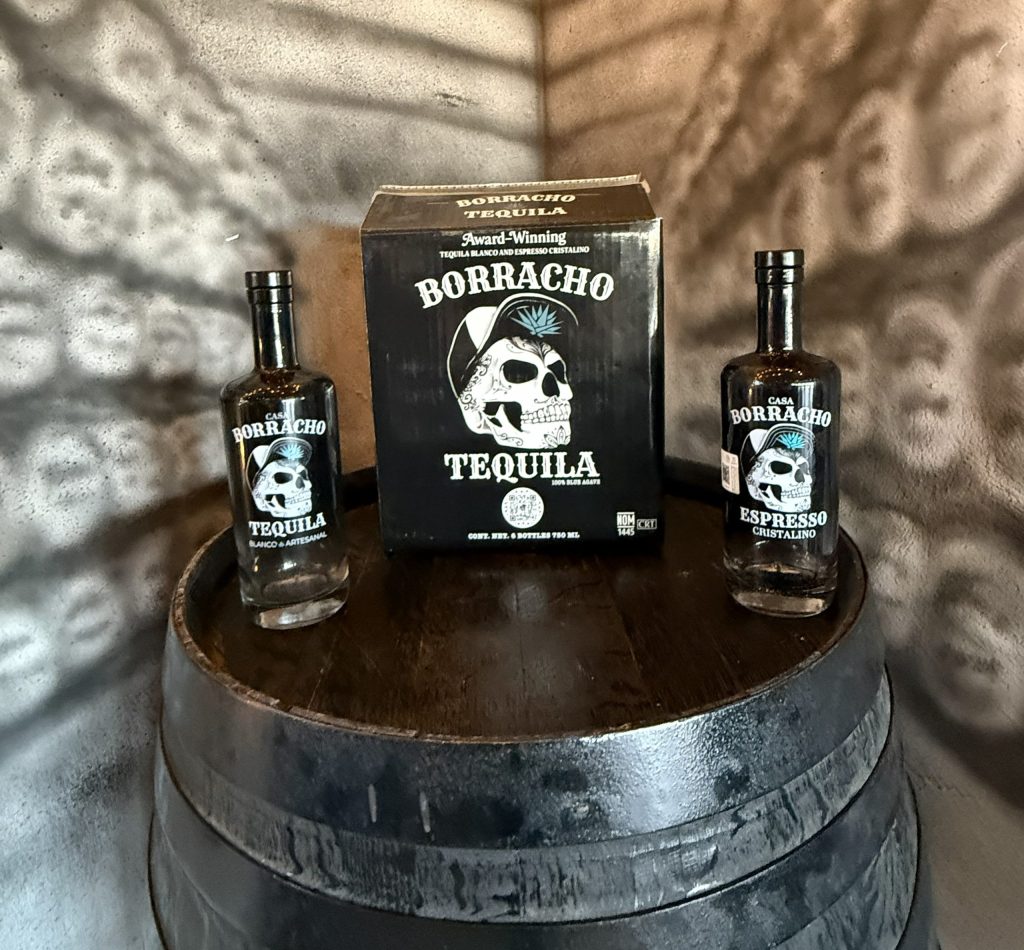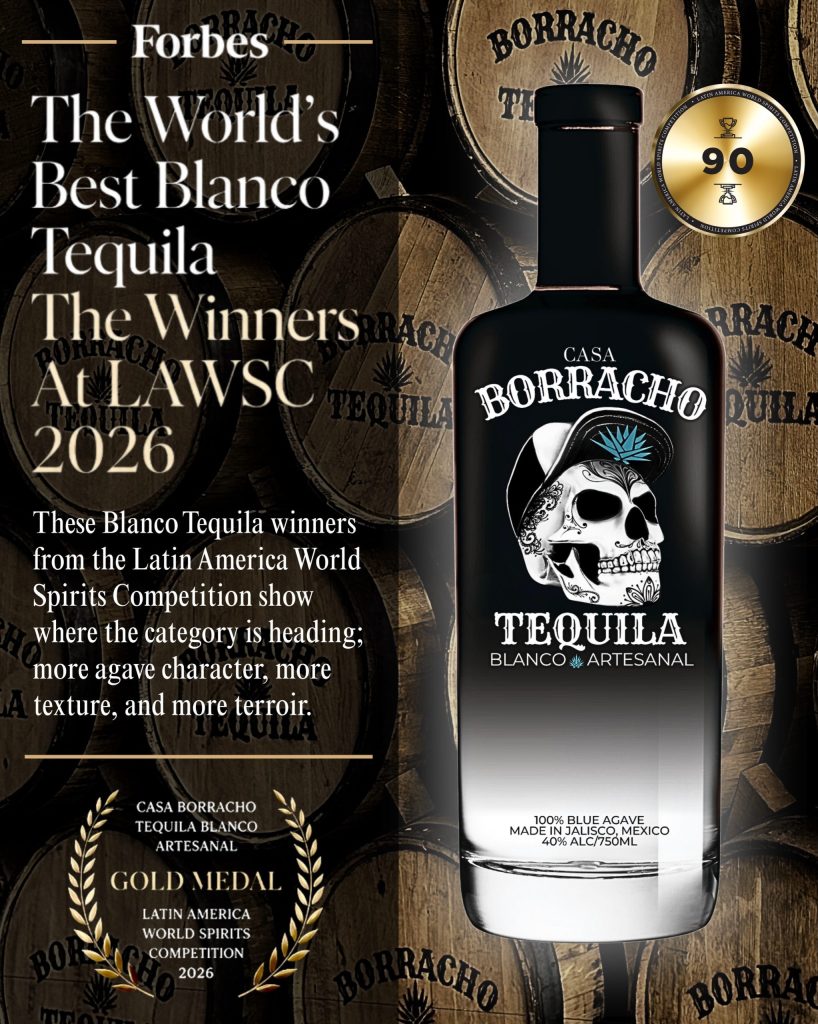
We could start this article with an intro about ancient Aztecs and mystical desert plants, but let’s be real, you’re here because, like us, you love tequila, and you want to know what’s in it and why the real stuff tastes so good. The answer is sitting in fields across Jalisco right now, soaking up the sun. This not-so-secret main ingredient is Blue Agave, or as botanists call it when they want to sound fancy, Agave Tequilana.
We’re not talking about just any agave. Out of 270 species, only one—literally just this one—can be legally used to make tequila.
What Is Agave, Really?
First things first, agave is NOT a cactus. If you’ve ever seen one with its stiff, spiky leaves and assumed “oh, that’s a cactus,” you’re not alone, but you’re not right, either. Agave is a succulent that belongs to the asparagus and Asparagaceae plant families.
Of the 270 species of agave, most are native to the arid and semi-arid regions of the Americas, especially Mexico. For official and legal tequila-making, there’s only one option, and that’s Blue Weber Agave. These plants are about 5 to 7 feet tall. The leaves themselves can stretch 3 to 5 feet long, and they’re armed with spines sharp enough to make you regret getting too friendly. Mother Nature gave Blue Weber Agave natural body armor for a reason (more on this later).
But Wait, Why “Blue” Weber? And Who Is This “Weber” Person?
Here’s a fun fact for your next bar trivia night: Blue Weber Agave gets its name from French botanist Frédéric Albert Constantin Weber, who stumbled upon the plant during an expedition to Jalisco, Mexico in the early 1900s. In 1902, the blue agave was officially renamed Blue Weber Agave, or Agave Tequilana Weber Azul, to honor Weber, who had been classifying Mexican flora since 1896.
As for the “blue” part, it’s because the plant looks bluish-gray in some angles and under certain lighting conditions. It’s not screaming blue like a Smurf or anything, more like that perfect pair of worn-in jeans. The leaves are thick, fleshy, and spiked like they’re ready for battle, which makes sense because they’re surviving in considerably harsh conditions.
Good Things Come to Those Who Wait (7-10 Years, To Be Exact)
Here’s where tequila production gets wild, and where it separates itself from basically every other spirit on the planet. Blue Weber Agave takes anywhere from five to twelve years to mature, with the sweet spot being around seven to ten years. You read that right. Seven. To. Ten. YEARS.
Think about that for a second. When Tom and Troy first started dreaming about Borracho Tequila, the agave plants that would eventually become those bottles were still baby pups in a field somewhere.
Playing the Waiting Game Pays Off in Every Sip
During these years, the agave plant absorbs nutrients from the soil, soaks up sunlight, and develops complex sugars. Around year five, it gets ambitious and tries to sprout a flowering stalk called a quiote, which can shoot up an additional 15 to 30 feet into the air with yellow flowers crowning the top. Although it’s a sight to behold, it’s exactly what jimadores don’t want to see.
Once a quiote starts growing, the plant diverts all its precious sugars and energy into reproduction instead of keeping them stored in the heart of the plant where we need them. So skilled jimadores will cut that stalk down, basically telling the agave, “Not today, buddy. Save that energy for the tequila.”
The goal is to harvest at peak maturity, before the plant flowers but after it’s had enough time to pack the piña (the heart) with sugars. The sugar content is everything. It’s what gets converted into alcohol and what gives tequila its distinct flavor profile.
Did you know? Jimadores are the farmers who have spent generations learning to identify when an agave is ready for harvest and to extract that precious piña without destroying it.
Location, Location, Location: Why Terroir Isn’t Just for Wine Snobs
Now let’s talk terroir, which is a fancy word for “where the plant grows and how that environment affects how it tastes.”
Where does blue agave grow, exactly? In Jalisco, Mexico, two main regions produce drastically different agave and, therefore, dramatically different tequilas: Los Altos (the Highlands) and El Valle (the Valley, sometimes incorrectly called the Lowlands, because 4,000 feet above sea level isn’t exactly “low”).
1. The Highlands (Los Altos): Sweet and Fruity
The Highlands sit at around 6,500 feet (about 2,000 meters) above sea level in northeastern Jalisco. The location boasts distinctive red volcanic clay soil called tierra roja, which is rich in iron. This dirt is very red, like Arizona-sunset red. Walk through a Highland agave field, and your boots will look like you’ve been stomping grapes at a winery.
Up here, the climate is cooler with greater temperature swings between day and night. Nights can be quite cold, which allows the agave to accumulate more sugar. The stress of being closer to direct sunlight and dealing with these temperature fluctuations causes the plant to “work harder” and store more sugars as an act of survival.
The result? Highland tequilas are typically described as bright, aromatic, and fruit-forward. You’ll taste notes of citrus, honey, floral elements, and a natural sweetness that doesn’t come from additives, but rather from years of stress-eating in high-altitude conditions.
The growing season is also longer in the Highlands. These agaves typically take about six to seven years to mature, sometimes even a year longer than their Valley cousins. But that extra time translates to more complex flavor development.
2. The Valley (El Valle): Earthy and Bold
Now head west and slightly down (though again, still pretty damn high at 3,500 to 4,200 feet) to the Tequila Valley, which surrounds the actual town of Tequila. Here, the soil is darker, more volcanic, packed with minerals, and called tierra negra. This is where the Volcán de Tequila, dormant for over 220,000 years, left its mark with mineral-rich volcanic soil.
The climate is warmer and drier year-round, with more consistent temperatures and slightly less rainfall than the Highlands. This environment produces agaves that mature faster, often ready to harvest in five to six years, but with a different flavor profile altogether.
Valley tequilas are more herbaceous, earthy, and peppery. They’re not sweet and delicate; instead, they’re like that feisty friend who tells it like it is. Some describe them as having a green, grassy taste with hints of herbs, spices, and roasted agave intensity.
The Highlands vs. The Valley: Which Region Produces the Best Agave for Tequila?
Both produce incredible tequila, though different incredible tequila. It boils down to preference. Highland tequilas are smoother, sweeter spirits, while Valley tequilas have some grit and character.
Bottoms Up!
From the sun-soaked fields of Jalisco to the slow accumulation of sugars in a piña, everything about how agave grows changes what’s poured in your glass. Across soil types, altitudes, climates, and cultivation methods, the plant takes it all in. And tequila? That’s your way to taste everything.
Next time you pour yourself a glass of tequila—hopefully Borracho, but we’re not judging (okay, we’re judging a little)—take a second to appreciate the agave, the craft, and every year (or decade!) the plant invested in making your tequila great.
Taste One of the Best Tequilas Around
Now, if you’ll excuse us, all this talk about agave has made us thirsty. Find your bottle at borrachotequila.com/our-tequila and drink (responsibly) with us! We’ve got a bottle with your name on it, no matter what your vibe is and what type of tequila drinker you are.