After spilling the truth on the most intoxicating tequila myths, we’re excited to show you how to choose the best tequila next. All it takes is a little know-how, and a pinch of wit, to separate the low-quality booze from top-shelf tequilas.
With these tips, you’ll walk into the liquor store or buy tequila online like a true connoisseur. No more falling for the bargain mixto that tastes like rocket fuel!
1. If It’s Not 100% Blue Agave, Adiós Amigos!
If you’ve ever said, “Tequila makes me sick,” chances are you’re drinking the wrong one.
The first commandment of buying tequila is to look for the words “100% Agave.” If it doesn’t say that or “100% de agave azul,” you’re signing up for a brutal hangover.
Real tequila is made from 100% Blue Weber agave. Anything less or labeled otherwise is likely a mixto, which can legally include up to 49% cheaper, simpler sugars or additives. These shortcuts and their higher level of congeners (a fancy word for hangover fuel) are the reason you wake up dehydrated, dizzy, and swearing off tequila.
Now, compare that to 100% agave tequila with no added junk. Every drop came straight from the agave plant. That purity gives you a rich, full-bodied agave flavor with fewer hangover-inducing impurities.
2. The NOM-ber’s Proudly on the Bottle
If the NOM is missing, yikes, that’s a bad sign. All authentic tequilas have a NOM (Norma Oficial Mexicana) by law.
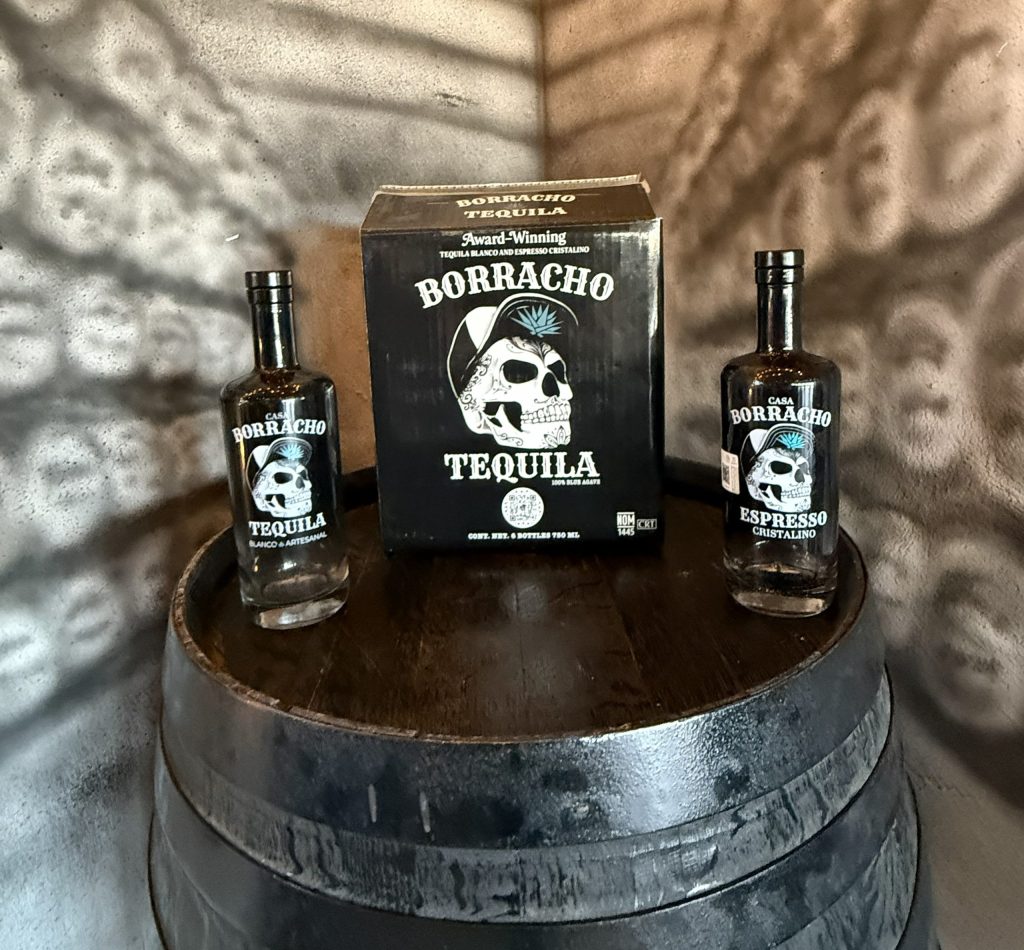
Inspect the bottle’s front and back labels. Look for the letters “NOM,” followed by a four-digit number (e.g., NOM 1234). This code tells you which distillery produced the tequila, according to Mexico’s Tequila Regulatory Council.
There are over 3,000 registered tequila brands out there, but only around 200 distilleries make all that tequila. Some industrial distilleries churn out up to 60 different brands from the same ovens and stills. If a single factory is pumping out dozens of labels, there’s a chance they’re using industrial processes, and maybe even shortcuts like additives or diffusers.
In contrast, smaller distilleries are more likely to pride themselves on traditional craft methods.
If you see a NOM, use databases like Tequila Matchmaker to verify which distillery produced the tequila, how many brands they make, and whether they’re known for quality or mass production.
3. CRT-ified
If you don’t see the initials “CRT” on the label, even one sip might te-kill-ya.
Consejo Regulador del Tequila (CRT) is the governing body of tequila in Mexico. This organization protects tequila’s authenticity, origin, and quality by overseeing everything from distillery inspections, production, bottling, and commercialization processes in compliance with Official Mexican standards NOM-006-SCFI-2012.
Since the CRT regulates NOM identifiers, these two are usually close together on the label.
4. Additive-Free and Full of It (Agave, That Is)
Artificial flavorings, glycerin for a fake “smooth” mouthfeel, and oak extract to simulate barrel aging are examples of additives that tweak tequila’s taste, texture, and color. By law, producers can add up to 1% of additives without telling you. While 1% seems little, it’s enough to change the spirit and your taste buds.
As mentioned in our post about common tequila misconceptions, drinking tequila with additives can desensitize your palate to agave’s true, complex flavors. Over time, you might crave sweeter, more artificial flavors. As you keep drinking the bad stuff, additive-free tequilas may seem bland to you, leading to excessive sugar intake.
Around 70% of tequilas contain undisclosed additives like vanilla, caramel color, and aspartame. But not us. Borracho Tequila keeps it 100%, literally and figuratively. We don’t mess around with additives. No artificial sweeteners to make it “dessert-like,” no glycerin to silkify the texture, and definitely no oak extract to fake barrel aging. What you sip is what you get.
5. Golden Because It’s Aged, Not Because It’s Fake
If you ever pick up a bottle of “blanco” that looks like iced tea, that’s your cue to moonwalk away. Some brands fake the look of aged tequila with additives, hoping you’ll mistake shortcuts for craftsmanship.
So, how do you spot this color con job? A keen eye and some knowledge:
- Blanco tequila should be clear as water. If you see a yellow or golden Blanco, it’s either colored with caramel, or it’s a mislabeled Joven, which is a blanco combined with aged tequila.
- Reposado has a light gold tone since it’s aged for a few months up to a year. It shouldn’t be much darker than, say, a light white wine or light honey color. If a Reposado is as dark as some bourbons or a cola, they might’ve dumped a bunch of caramel color to replicate the appearance of aged tequila. It creates a false impression of complexity.
- Añejo develops a warm amber hue after aging for 1-3 years. It has a natural glow, not opaque or inky.
- Extra añejo ranges from amber to deep copper after 3 or more years in oak. The aging process imparts rich, complex notes of caramel, vanilla, tobacco, or oak, along with hints of dried fruit and spices, to the spirit.
To taste real aged tequila, choose bottles with explicit age statements (Reposado, Añejo, Extra Añejo) and official NOM/CRT certifications that guarantee compliance with Mexican tequila regulations.
6. Talks the Talk and Walks the Walk
Time to spill the tea (or rather, tequila) on a few buzzwords plastered on bottles and ads, some of which we use, too. But wait! Give us a chance to explain why.
“Craft,” “Artisanal,” “Handmade,” “Premium,” and “Small-batch” all sound impressive, don’t they? They probably conjure images of jimadors harvesting agave under the moonlight, and grandpas distilling tequila in pot stills while singing folk songs. But most of these terms mean absolutely nothing in an official sense. They’re not regulated, and any brand can use them, whether they’re genuinely traditional or mass-produced in a factory.
Borracho Tequila uses some of these words, too, because we actually do what others only claim to do. Our Story and Our Process are incredibly transparent: We share where our agaves grow, how they’re harvested and cooked, and who’s doing the harvesting and cooking. We also use traditional brick ovens, fermentation equipment, and distillation stills, not shortcuts or machines that sacrifice quality for volume.
Sip, Sip, Hooray: Choose a Spirit That Delivers on All Its Promises
Borracho Tequila was born from this very passion for authentic, quality tequila. It checks every box we’ve mentioned and more:
- 100% Blue Weber Agave: No fillers, no mixtos, just pure agave bliss, as authentic as it gets.
- NOM and CRT Proudly on the Label: We have nothing to hide.
- No Additives: No sneaky sugars or flavorings.
- Traditional Craftsmanship: From hand-harvested agaves to time-honored distillation in Jalisco, we do everything the old-school way to honor the Mexican tradition and to bring you full-bodied agave flavor in every sip.
- Silky and Versatile: Sip it or mix it, it goes down easily without a burning regret.
- A Process You Can Drink To: Made with respect for the land and people. Drinking it is a feel-good experience in more ways than one.
So what do you say, are you ready to give Borracho Tequila a shot (pun absolutely intended)?
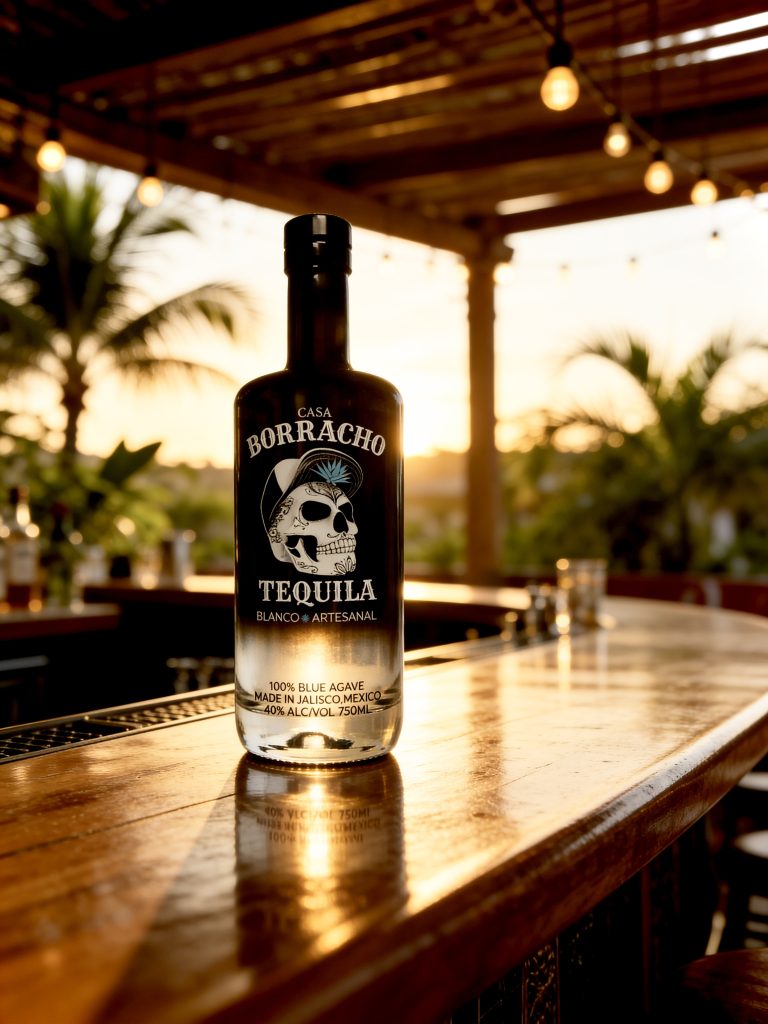
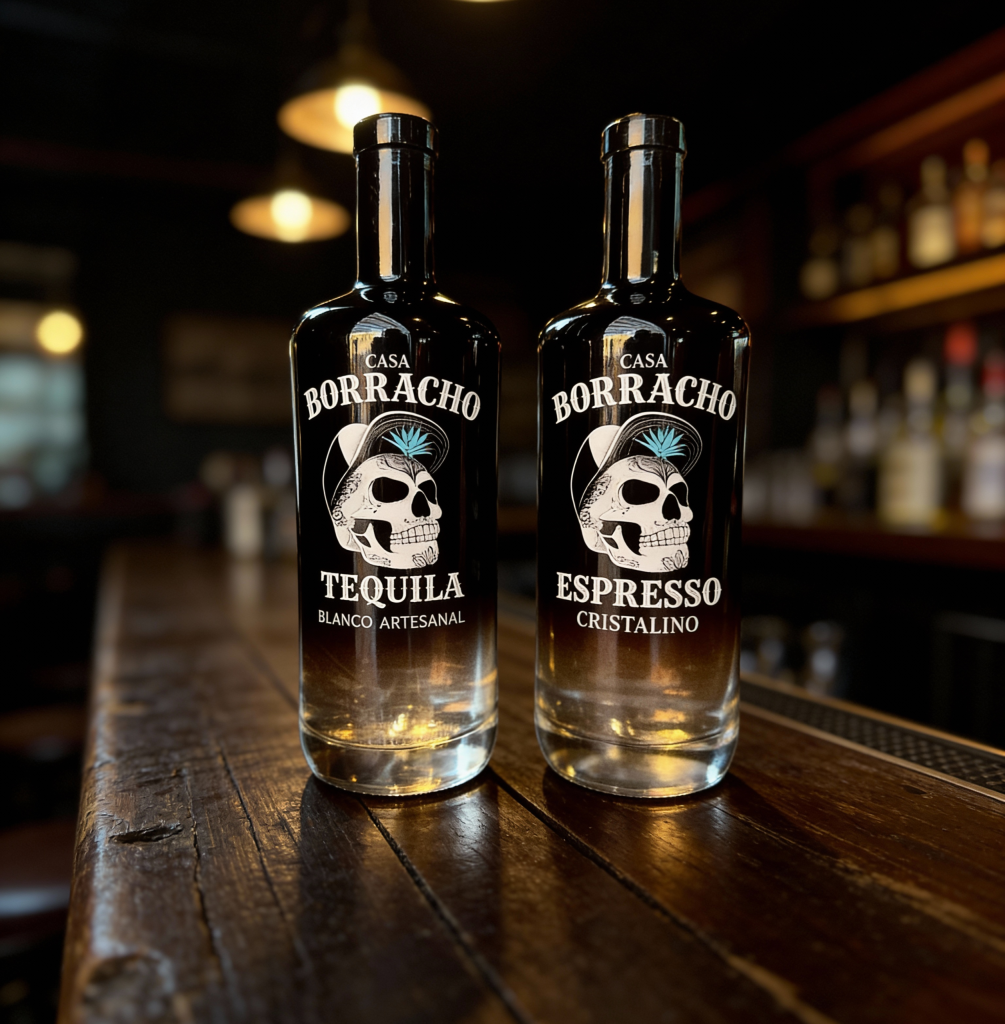
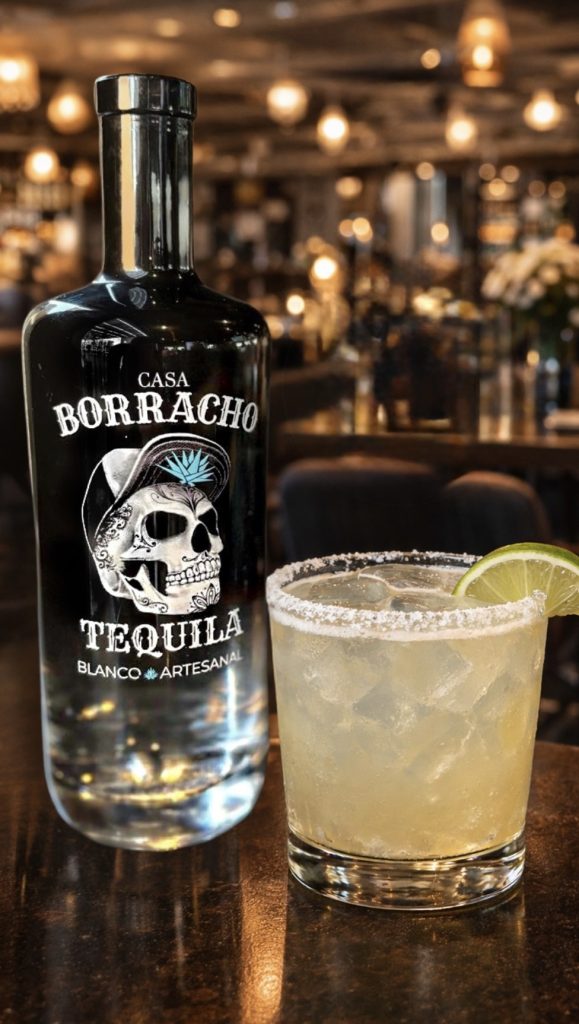
Buy Borracho Tequila Blanco or Borracho Espresso Cristalino to take your cocktails up a notch, impress your party guests, and maybe bring out the tequila-lover in you if you weren’t one already. Cheers!