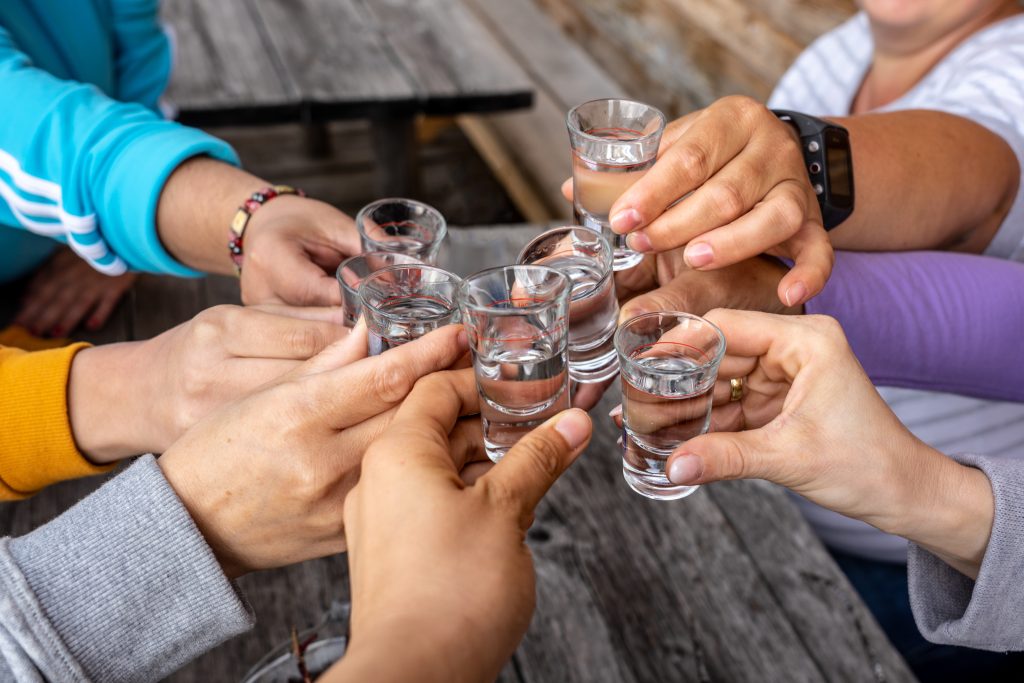
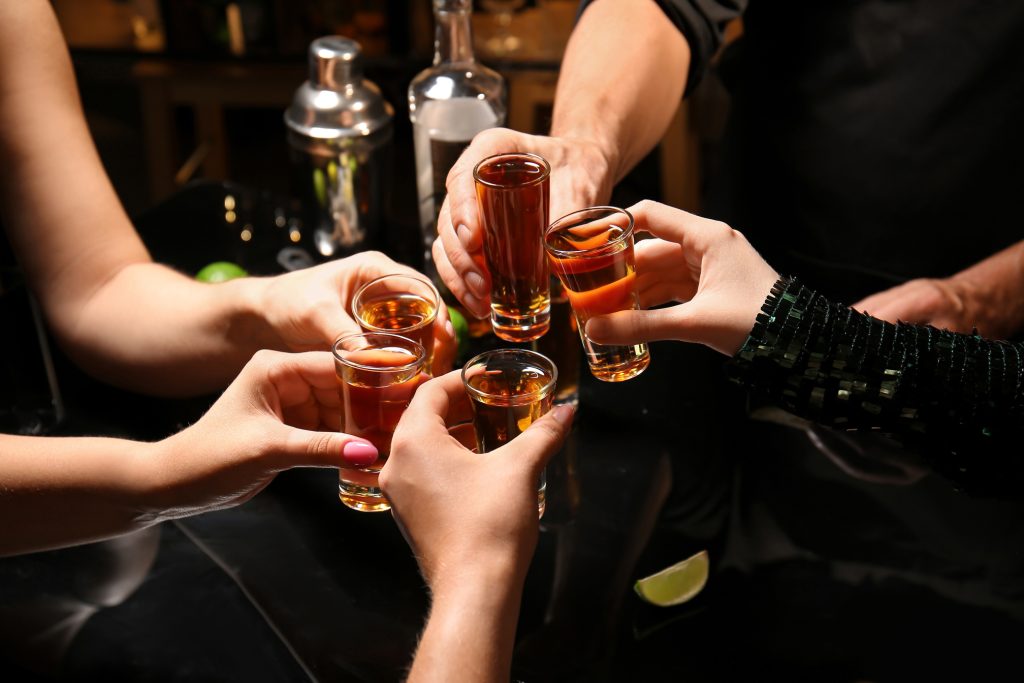
Tequila is one of the most consumed spirits worldwide, with 2024’s collective revenue reaching 6.7 billion USD. Despite dominating the market, tequila’s reputation has been wrongfully dragged through the dirt for decades.
Among bar hoppers and house-party regulars, it brings back memories of blurry nights, regretful mornings, and that one friend who swore they’d never touch it again. Little did they know, most of the tequila with a bad reputation isn’t tequila in the truest sense. These bottles are likely a “Mixto,” a cut-rate blend made with just enough agave to qualify as tequila, then filled with sugar-based alcohols and artificial additives to mask the shortcuts. It’s produced fast, cheap, and in massive quantities, and it tastes exactly like you’d expect.
Real tequila, the good stuff, is the kind made with 100% Blue Weber agave, slow-cooked in brick ovens, and distilled to achieve the desired alcohol content. It doesn’t need lime or salt, make you wince, or punch you in the gut. Instead, it’s earthy, smooth, even elegant. You sip it slowly, taste the plant it came from, and wonder how you ever thought that bottle on the bottom shelf was the real deal.
So, let’s clear some things up. Because the tequila aisle is full of myths, and if you don’t know what to look for, it’s easy to end up right back in hangover territory.
Most Common Myths About Tequila
Tequila doesn’t deserve its bad reputation; it just needs a better introduction, starting with debunking these misconceptions.
Myth #1: “Tequila Should Burn”
Let’s get this misconception out of the way, because it’s probably the biggest lie tequila ever got saddled with.
Someone takes a shot, makes a face like they just swallowed battery acid, and says, “That’s how you know it’s working.” No, that’s how you know it’s low-grade. Good, real tequila shouldn’t burn. It does warm you up, the way a good sip of whiskey or mezcal might, but if it scorches your throat and sends your eyes watering? That’s just bad liquor.
Most of that harshness comes from what’s NOT in the bottle: 100% agave. Many people don’t realize that unless the label says “100% agave,” it’s probably a mixto with 51% agave sugars. The rest is either cane sugar or corn syrup, and the final product gets rushed through industrial production, then pumped full of additives to smooth over the rough edges.
Now compare that to a well-made tequila, the kind that’s slow-cooked in brick ovens, fermented without shortcuts, and distilled to separate the alcohol from any impurities. Those tequilas don’t burn. The warmth is there, but it doesn’t feel like a smack on the face. It’s the kind of drink you want to linger on: You pour a little into a glass, take your time, and by the second sip, you’re wondering why you ever treated tequila like a dare.
Myth #2: “Clear Tequila Is Cheap Tequila”
People see a clear spirit in the bottle and think, “Ah, it must be the basic stuff.” Actually, some of the best tequila in the world is crystal clear.
Blanco tequila, also called silver or plata, is unaged, meaning it goes straight from distillation into the bottle: no oak barrels, no coloring, no additives. A well-made blanco gives you the cleanest, most authentic taste of the agave plant. It’s earthy, bright, peppery, and maybe a little citrusy depending on the soil and the stills, yet it still appears crystal clear. Plus, distillers can’t hide behind time in a barrel. If they mess up the fermentation, cut corners on the cook, or use bad agave, the flaws show up instantly in a blanco.
Myth #3: “Gold Tequila Is Better Than Silver”
Some drinkers assume gold tequila is a step up from silver. “Gold” may sound richer, deeper, and more premium, but the whole idea that gold means better is the reason so many people think tequila is all burn, no flavor.
What most don’t realize is that the average bottle of gold tequila is colored, not aged. Most gold tequilas on the market are mixtos, which, as mentioned earlier, only contain 51% agave sugars. The rest comes from cheaper sources like cane sugar or neutral alcohol. Then caramel coloring, glycerin, and other additives are mixed in to give it that amber hue and fake smoothness.
The worst part is that these bottles are not in some hidden corner of the market. The biggest-selling tequilas in the world—the ones people line up shots of—are often gold mixtos. They cost less to make, pumped out in massive quantities, and marketed hard. These spirits end up in cocktails, in home bars, and in people’s heads as “the good stuff.” But the smoothness you think you’re tasting? That’s likely glycerin, not craftsmanship.
Now, here’s where things get a little more confusing. Aged tequila exists and is gold in color, but not labeled “gold.” It’s marked reposado, añejo, or extra añejo, depending on how long it’s been aged in oak barrels. These are the real deal. Aged tequila picks up natural color and character from the wood, which softens the spirit and infuses notes of vanilla, spice, dried fruit, or roasted nuts. Time in oak barrels also reduces any harshness for an ultra-smooth sip.
If you’re holding a bottle labeled “gold,” but it doesn’t say 100% agave or specify an aging category, it’s almost always a mixto with additives. That’s not better than silver, and it’s barely tequila.
What should you reach for instead? Start with a blanco to get a feel for what pure agave tastes like. Then, if you’re curious about oak-aged tequila, look for a reposado (rested for at least two months) or añejo (aged a year or longer).
Myth #4: “All Tequila Is 100% Agave”
Not even close. Unless the label explicitly says so, assume it’s a mixto with 51% agave sugars. These low-grade blends make up a huge portion of the tequila in bars, clubs, and grocery store shelves.
The problem? The missing 49% waters down the flavor, flattens the agave character, and usually comes with a hit of additives, including glycerin for fake mouthfeel, caramel coloring to look aged, and sweeteners to cover the burn. Sadly, most people never notice the difference, because they’re not told to look for it.
The next time you’re staring at a shelf full of bottles, take five seconds and flip the label around. That “100% agave” line tells you everything you need to know. Also, you don’t need to spend a fortune to taste real tequila. There are plenty of 100% agave options out there, and once you start drinking them, the difference is noticeable—cleaner flavor, fuller texture, no artificial aftertaste, and no lingering regret the next morning.
Myth #5: Wherever Agave Grows, You Can Make Tequila
Tequila comes from five regions that have legal rights to produce it. Jalisco, Mexico, handles most of the production. This territory includes the town of Tequila, along with hundreds of distilleries that follow long-established practices. Four other states, including Guanajuato, Michoacán, Nayarit, and Tamaulipas, also fall within the official boundaries. These are the only places where tequila can be made and labeled as such.
Mexico protects the name “tequila” through trade agreements, which most countries agreed to honor. When someone tries to make tequila outside the five approved regions, like in the United States, they can’t call it tequila, even if they use Blue Weber agave and follow traditional processes. As an alternative, they label bottles as “spirit distilled from 100 percent Blue Agave.” Some have tried to sidestep the rules by using tequila-adjacent names, with one tequila maker in Temecula, California, calling their version “Temequila.” Clever or not, attempts like that may draw legal threats and cease-and-desist letters.
Myth #6: “Cristalinos Are Just Marketing Gimmicks”
Cristalino tequila tends to raise eyebrows, and sometimes, for good reason. It’s crystal clear, like a blanco, but contains traditional aged tequila. Most are made from añejo or extra añejo, then filtered to remove the color picked up from the barrel. So how does something that spends months or years in oak barrels come out looking like it never touched wood? Filtration.
Cristalinos are aged tequilas that go through charcoal or carbon filtration to strip out the color picked up from the barrel. The goal is to keep the smoothness of an aged tequila but give it the clean appearance of a blanco.
A lot of Cristalinos do feel like marketing, especially since some brands promote the clear liquid, high-gloss packaging, or ornate bottles instead of the production process and what drinkers should expect from each sip. These bottles are easy to pitch as smooth or “luxury,” but that doesn’t mean they actually are. In some cases, the heavy filtration pulls out more than color, it also dulls the structure. The complexity disappears, and while you’re left with a soft, sweet, easy-to-drink tequila, it’s also flat or stripped down to the point of blandness.
That’s why people call them gimmicks. Because sometimes, they are. But not always.
There are Cristalinos out there made the right way, where the distiller filters gently and preserves the integrity of the aged spirit, where you still taste the barrel and the agave, and the texture doesn’t feel watered down or overly sweetened. These bottles are more difficult to find, but they exist. It comes down to who made it, how they made it, and whether the tequila needed “fixing” in the first place.
Pro tip: If a distillery is honest about their tequila-making process, or already makes good añejos and extra añejos, there’s a good chance their Cristalino is worth trying.
Myth #7: Tequila Always Needs Lime and Salt
If you need lime and salt to get tequila down, you’re probably drinking the wrong tequila.
That whole ritual—lick the salt, take the shot, suck the lime—is not tradition; it’s a mask. Cheap mixtos burn, taste thin or harsh, and leave an unpleasant aftertaste. Lime and salt make it tolerable, but they also keep people from tasting what tequila is supposed to be.
With well-made tequila, especially a 100% blue agave blanco or a properly filtered Cristalino, you don’t need anything on the side. No chasers. No tricks. The flavors are already balanced, with the natural brightness of agave, a little minerality, some pepper, and maybe citrus or floral notes depending on the brand. Salt and lime bury that.
Of course, that’s not to say you can’t enjoy tequila in cocktails or with food. But when it comes to sipping? Skip the sides. If the tequila is good, it holds its own.
Myth #8: Tequila Is Only for Shots
Tequila gets the “shot glass treatment” more than any other liquor. The infamous routine stuck around because of cheap mixtos, not because that’s how everyone should enjoy tequila.
A proper pour of 100% agave tequila, well-made, with no junk added, has incredible flavor. You’ll taste the agave first, then maybe bright citrus and a subtle hint of pepper. If it’s aged, you’ll get soft oak, spice, or vanilla. None of that comes through when the tequila’s gone as soon as the shot glass touches your lips.
Taking it slow will change your experience with tequila. Let it sit in the glass, take a whiff, then sip to taste its rich, full-bodied agave flavor and silky mouthfeel. You’ll start to understand why some bottles cost more and deserve a slower pour.
Myth #9: Additives Are Fine if the Final Product Tastes Good
Additives are allowed in tequila. Mexico’s CRT (Consejo Regulador del Tequila or Tequila Regulatory Council) allows under 1% of the total volume without requiring the brand to disclose it on the label. That 1% might not seem like much, but it’s strong enough to change the texture, mute the agave, or push the flavor in a direction the spirit never earned.
The most common additives are sweeteners, glycerin, oak extract, and flavor enhancers. These don’t come from agave. Instead, they’re added later to smooth out rough spots, mask shortcuts, or create the impression of complexity. Some tequilas use them to round off bitterness; others to mimic the softness of aged tequila. A few lean into sweetness because it’s easier to sell.
Now, some people argue that if it tastes good, then what’s the problem? That depends on what you’re drinking for. Additives don’t improve the core of the spirit, they cover it and flatten the natural edges. You might get hints of vanilla or caramel, but it won’t come from oak or time, it’ll come from syrup. Once your taste buds adapt those shortcuts, it becomes harder to pick up the distinctions, like cooked agave or fermentation nuances.
To add, not all additives are obvious. Some tequilas are smooth, rich, and full at first but start to feel cloying or heavy after a few sips. That’s a sign of additives. Real tequila, made honestly, drinks clean. It opens up instead of collapsing, and finishes dry or mineral, never sticky or sickly sweet.
Myth #10: Celebrity Tequilas Are Superior
A famous endorser or celebrity-made brand might help sell bottles, but it doesn’t guarantee the quality of the agave, the integrity of the distillation, or the choices made during production. Was the agave fully mature before harvest? Was it cooked in brick ovens? Was the liquid distilled in small batches or produced in bulk at a contract facility? These questions tell you more than any name or marketing campaign ever could.
Some celebrity-backed tequilas come from respected distilleries and follow traditional methods, from harvest to dilution, filtration, and bottling. They stay transparent about their production and avoid shortcuts. However, others use additives, cut corners on fermentation, or filter the spirit until it loses its structure. The difference has less to do with whose name is on the label, and more to do with the choices made before the tequila was bottled.
A well-made tequila speaks for itself. The right bottle will earn your attention through flavor and mouthfeel, not fame.
Myth #11: Only Ultra-Expensive Tequila Is Good
Some tequilas sell for thousands of dollars per bottle for reasons that have little to do with how it tastes. Over-the-top packaging, celebrity deals, and layered marketing raise shelf costs, even when the process behind the spirit lacks respect for tequila’s traditions. But shortcuts can’t hide behind a high price tag.
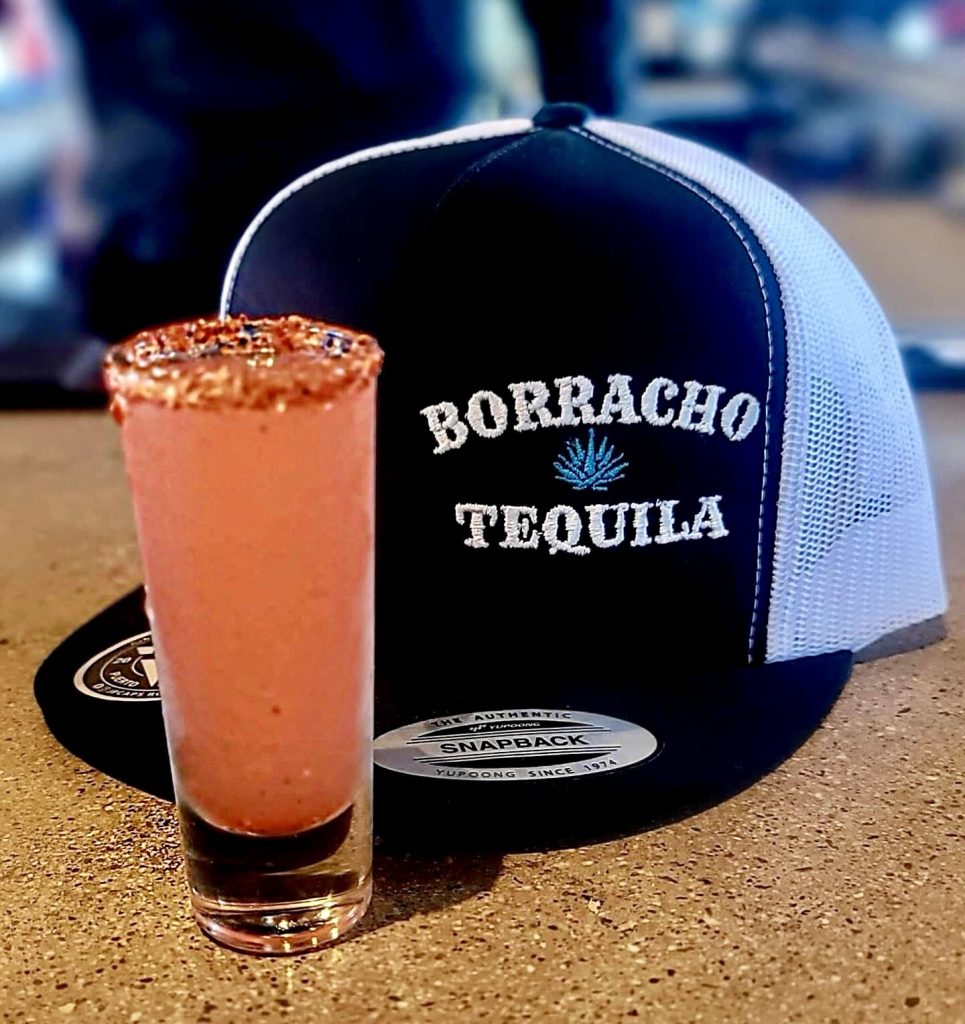
Some of the world’s best-tasting tequilas are under $50 and outperform pricier bottles in blind tastings. Borracho Tequila Blanco ($44.99) and Borracho Espresso Cristalino ($26.99) are prime examples, earning a Gold and Silver Medal, respectively, at the 2025 San Francisco World Spirits Competition, one of the most esteemed judging events in the industry. These awards reflect the brand’s craftsmanship, commitment to clean and honest tequila, and refusal to cut corners.
Our personal and professional take here at Borracho Tequila: A good bottle doesn’t have to cost a fortune. It simply has to be made by those who care about the land, the traditions, the people behind the process, and the drinkers who deserve the real thing.
Tequila Deserves Better, and So Do You
Skip the bottles that give tequila a bad reputation by overpromising and underdelivering. If you want a bottle that lives up to everything this misunderstood liquor should be, start with Borracho Tequila.