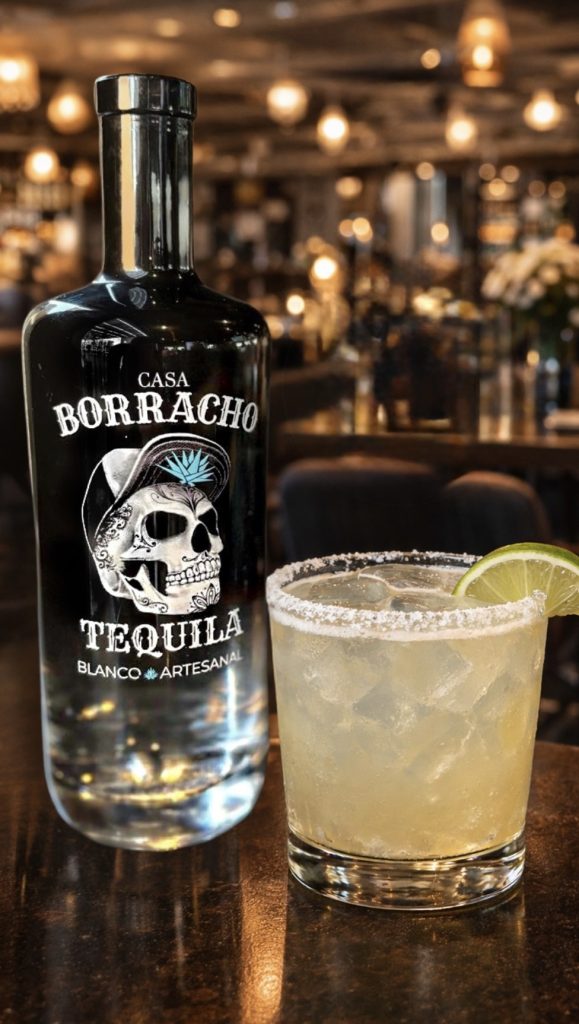
If your only experience with tequila involves a salt shaker, a lime wedge, and a nauseating morning-after, we need to talk. You’ve been drinking mixtos, a.k.a. the cheap, really-bad-for-you type of tequila all this time!
Real, 100% Blue Weber agave tequila is one of the world’s most complex and rewarding spirits. You’re meant to sip, savor, and appreciate each pour the same way you would a luxurious glass of wine. Except, you know, without looking like a vampire.
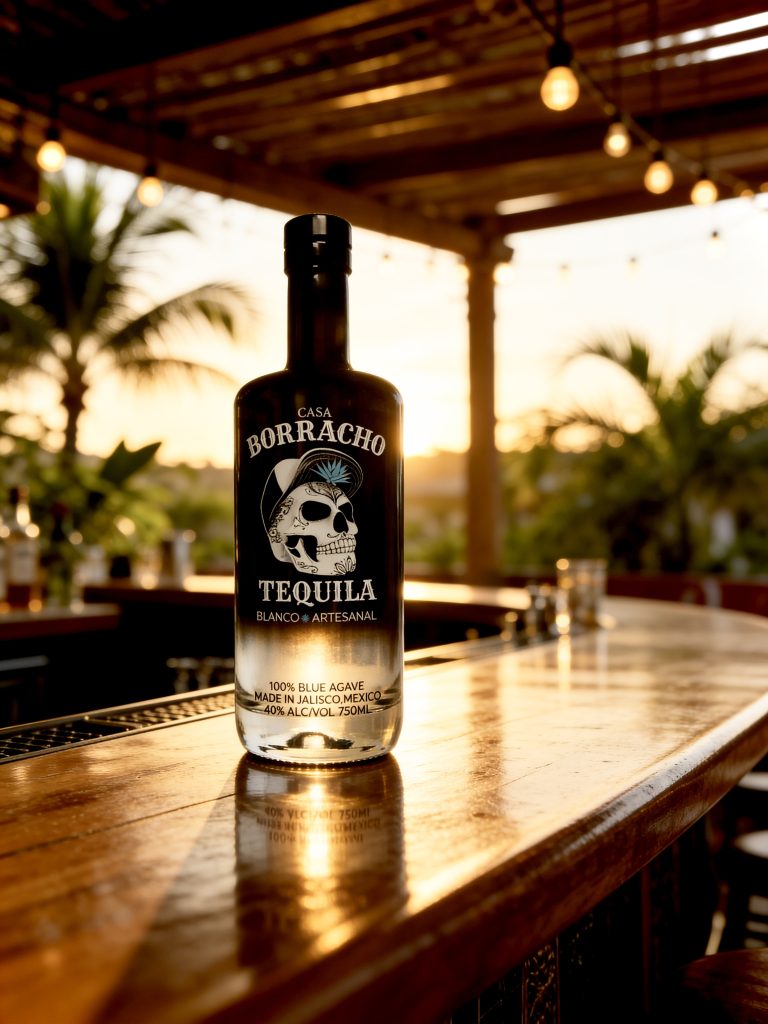
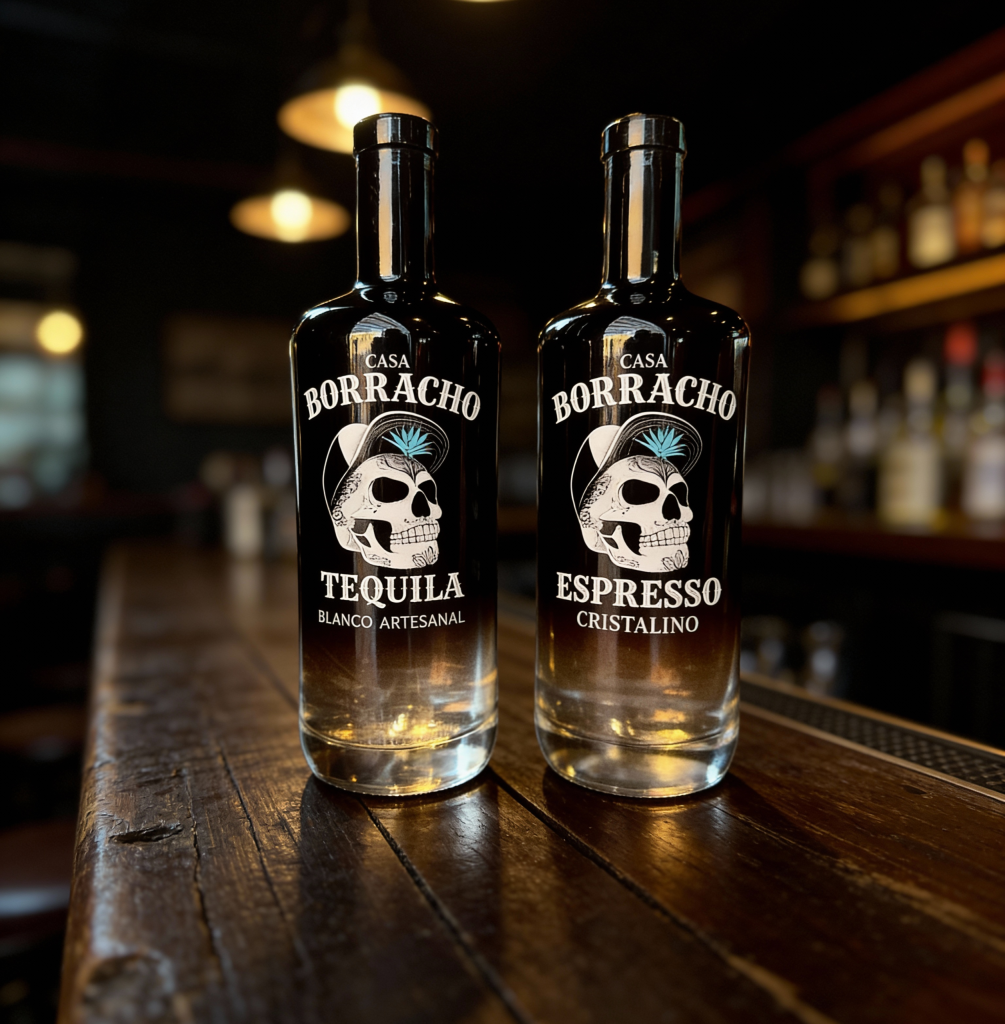
Consider this your no-gatekeeping, no-snob guide on how to taste tequila properly. We’ll be using our own expressions, Blanco Artesanal and Espresso Cristalino, as your tasting companions along the way.
Step 1: Before You Pour, Pick the Right Glass
The right vessel changes how you enjoy tequila. A shot glass concentrates the alcohol right at your nose and blows past everything intriguing about the spirit, as you consume the liquid in one swift gulp. While a rocks glass is slightly better, it’s wide open, which lets the aromas escape before you can experience them.
What you want is a Riedel tequila glass (flute-shaped) or a copita (tulip-shaped). These glasses concentrate the aromas at the top, allowing you to “nose” or smell the tequila before your first sip. A wine glass in a pinch works fine, too, or anything that tapers at the rim.
Step 2: Get a Good Look (Don’t Worry, You’re Not Being Pretentious)
Pour your tequila and hold it up to the light. A blanco should be crystal clear with no cloudiness or sediment, and a cristalino should be just as clear despite having been through barrel aging and charcoal filtration.
Give the glass a gentle swirl, then watch how the liquid moves. Heavier, slower-moving legs that roll down the sides typically suggest a fuller-bodied, aged spirit.
Step 3: The Nose Knows: How to Smell Tequila Like an Expert
Don’t jam your nose into the glass. Instead, hold the glass a few inches from your nose and take a few short sniffs.
With a quality beverage like Borracho Tequila Blanco Artesanal, you should pick up cooked agave, grassy undertones, and fresh herbal notes. With a cristalino or aged expression, expect deeper, roasted notes. The Borracho Tequila Espresso Cristalino layers roasted espresso and creamy vanilla atop that agave backbone. If you’re smelling something artificial or perfume-forward, that’s usually glycerin or flavoring agents.
Try nosing it twice, once with your mouth closed and once with it slightly open. The second way activates more of your palate receptors and usually unlocks more of the aroma. It sounds weird, but it works.
Step 4: The Moment You’ve Been Waiting For: Take a Sip!
Pour an ounce, take a sip, and let it sit on your tongue for a second before swallowing. Roll it around gently. You’re trying to hit the different taste zones of your mouth, which pick up different flavor profiles.
On the front palate, you’ll experience hints of sweetness and fruit-forward notes. The middle of your tongue picks up body and texture, which is where a good, full-agave tequila sets itself apart from cheaper versions. The finish settles at the back of your palate and should feel warm and clean, never burning and harsh.
More on the difference between Blanco Artesanal and Espresso Cristalino.
Tequila Neat vs. On the Rocks vs. With a Little Water
There’s no wrong way to drink quality tequila as long as you’re enjoying it. But if you’re after the best possible experience, we recommend neat at room temperature, no ice or water interrupting the spirit’s character.
An ice cube or two is okay, too. Slow dilution can open up certain flavor compounds the same way a splash of water helps whiskey breathe. Just don’t drown it. A few drops of water on a higher-proof pour can also soften the alcohol edge and let more delicate aromas come forward. Bartenders do this all the time, so it’s worth trying.
And if cocktails are your thing, Borracho Tequila shared a few easy recipes (and food pairings!) that do the spirit justice.
Are You Ready to Taste Tequila for the First Time?
If all of the above sounds like the tequila experience you’ve been missing, Borracho Tequila is the perfect place to start. Both Blanco Artesanal and Espresso Cristalino are made with 100% Blue Weber agave from Jalisco, made without additives, and held to a level of quality recognized on the global stage. Borracho Tequila Blanco Artesanal earned Gold at the 2025 San Francisco World Spirits Competition and the 2026 Latin American World Spirits Competition, while Espresso Cristalino earned Double Gold at the 2026 Latin American World Spirits Competition.
If you want to learn more about real tequila, check out our articles on how to spot great tequila and the misconceptions most drinkers still believe.
And when you’re ready to grab a bottle, head to borrachotequila.com/our-tequila.
FAQs About Tequila Tasting 101
How is tequila tasting different from just drinking it?
Tasting differs from simply drinking because it turns the experience from “quick consumption” to a “sensory exploration” of the tequila’s aroma, flavor profile, texture, and finish.
What is the correct way to taste tequila?
Start by pouring about an ounce into a narrow-mouthed glass and letting it breathe for a minute. Check the color and clarity first, then take a few short sniffs to pick up the aromas. When you’re ready to taste, take a sip and leave it on your tongue for a few seconds before swallowing.
Do I need a special glass to taste tequila?
You don’t need to buy anything special, but a narrow tulip-shaped glass like a copita or a Riedel tequila glass helps concentrate the aromas, so you can nose it properly before sipping. A regular wine glass works fine as a substitute.
Should I add salt and lime when tasting tequila?
Not if you actually want to taste the tequila. Salt and lime were popularized as a way to mask the taste of low-quality spirits. With a good, additive-free tequila, they’re completely unnecessary and will overpower the nuances you’re trying to pick up.
What aromas should I look for in a quality tequila?
In a well-made blanco, look for fresh or cooked agave, citrus, and sometimes floral or herbal notes. In richer expressions like a cristalino, you might pick up vanilla, caramel, roasted notes, and dried fruit alongside the agave base. Any tequila that smells primarily of harsh alcohol or artificial sweetness is usually a sign that corners were cut somewhere in the production process.
How do I know if a tequila is good quality before buying it?
Look for “100% Blue Weber Agave” or ”100% Agave Azul” on the label. Also, check whether the brand is transparent about its production process and additive use.
Where can I buy Borracho Tequila? Borracho Tequila is currently available in Mexico, with an Arizona launch coming soon. Stay tuned for updates on where we’re pouring next.